Walking safaris
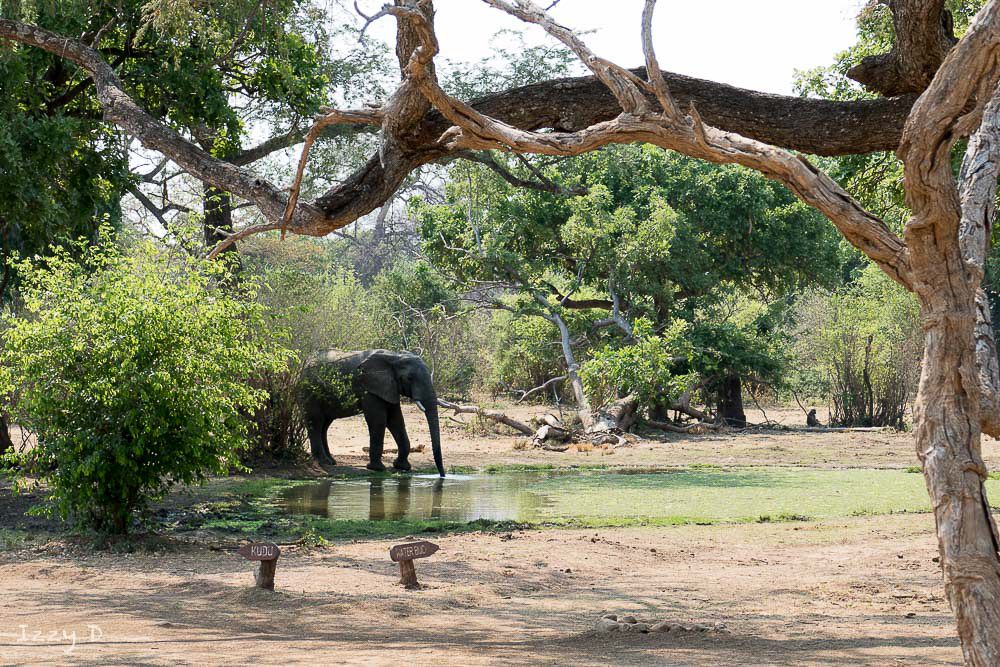
Not a novelty add-on but the reason the park exists in its modern form: three to four hours out at dawn with a qualified guide and an armed scout, both compulsory every time.
Photo: Kafunta Safaris
Zambia · national park since 1972
Norman Carr took the first guests out on foot here in the 1950s, and the tradition never stopped. Add the highest leopard density measured in the region, Africa's densest hippo population and three animals found nowhere else on earth.
Photo: Thomas Fuhrmann (CC BY-SA 4.0)
South Luangwa lies in eastern Zambia, reached over the Luangwa River bridge at Mfuwe Gate, thirty minutes from Mfuwe International Airport and 120 kilometres of tar from Chipata. Its quieter northern reaches, the Nsefu Sector, carry the valley's highest leopard density and see the fewest vehicles.
This guide is written by someone who overlanded much of Africa in his own Land Cruiser with a rooftop tent, and for whom the national parks were what stayed. The information about them online was usually missing, wrong or years old: fees from three tariff sheets ago, camps that had closed, roads described by people who had never driven them.
So this guide runs on the park authority's own tariff document rather than a copied operator page, on thirty-year climate normals rather than brochure weather, and on what the camps tell us directly. Every claim carries a date. Where DNPW is silent, so are we, apart from saying that it is silent.
Nothing here is for sale. Listing a camp is free and no position on any page can be bought. Some outbound links earn us a small commission, and that changes neither the order of a list nor a single figure on these pages.
Found something out of date? Tell us and it changes the same week.
This is the park that invented the walking safari and one of the few in Africa where night drives are legal. Between the two, it offers something most parks cannot.
Not a novelty add-on but the reason the park exists in its modern form: three to four hours out at dawn with a qualified guide and an armed scout, both compulsory every time.
Photo: Kafunta Safaris
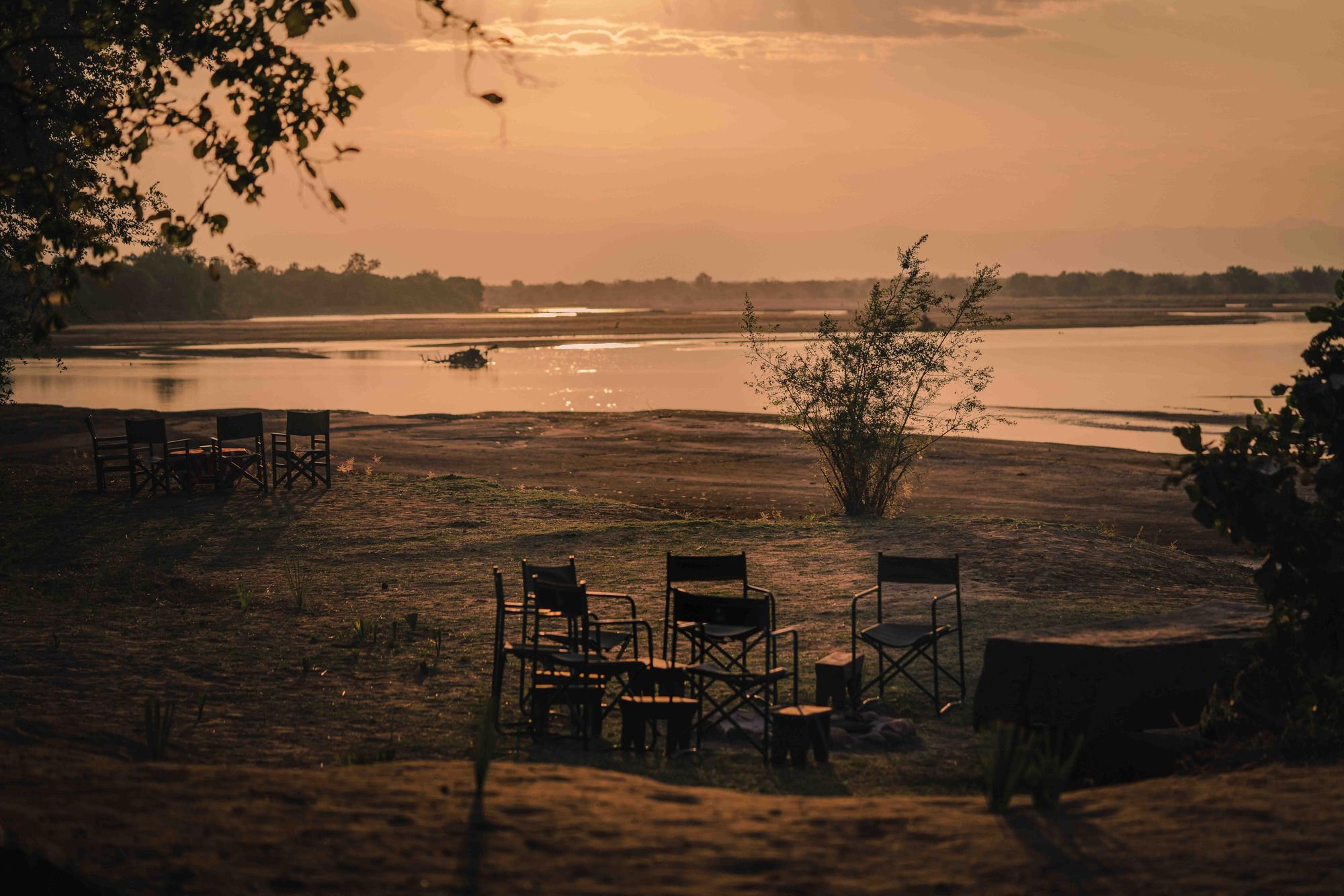
Zambia is one of the few countries that allows night driving in a national park. Self-drive permits expire at six, so book it through a camp and leave around four for a sundowner before the spotlight comes out.
Photo: Kafunta Safaris
Over 400 bird species, and from January to April when the river is high, boat safaris on the Luangwa and its lagoons, a season almost nobody visits for.
Photo: Kafunta Safaris
From a riverside campsite to a photographic hide inside the park. These four are not the best four; they are the four that mark out the range.
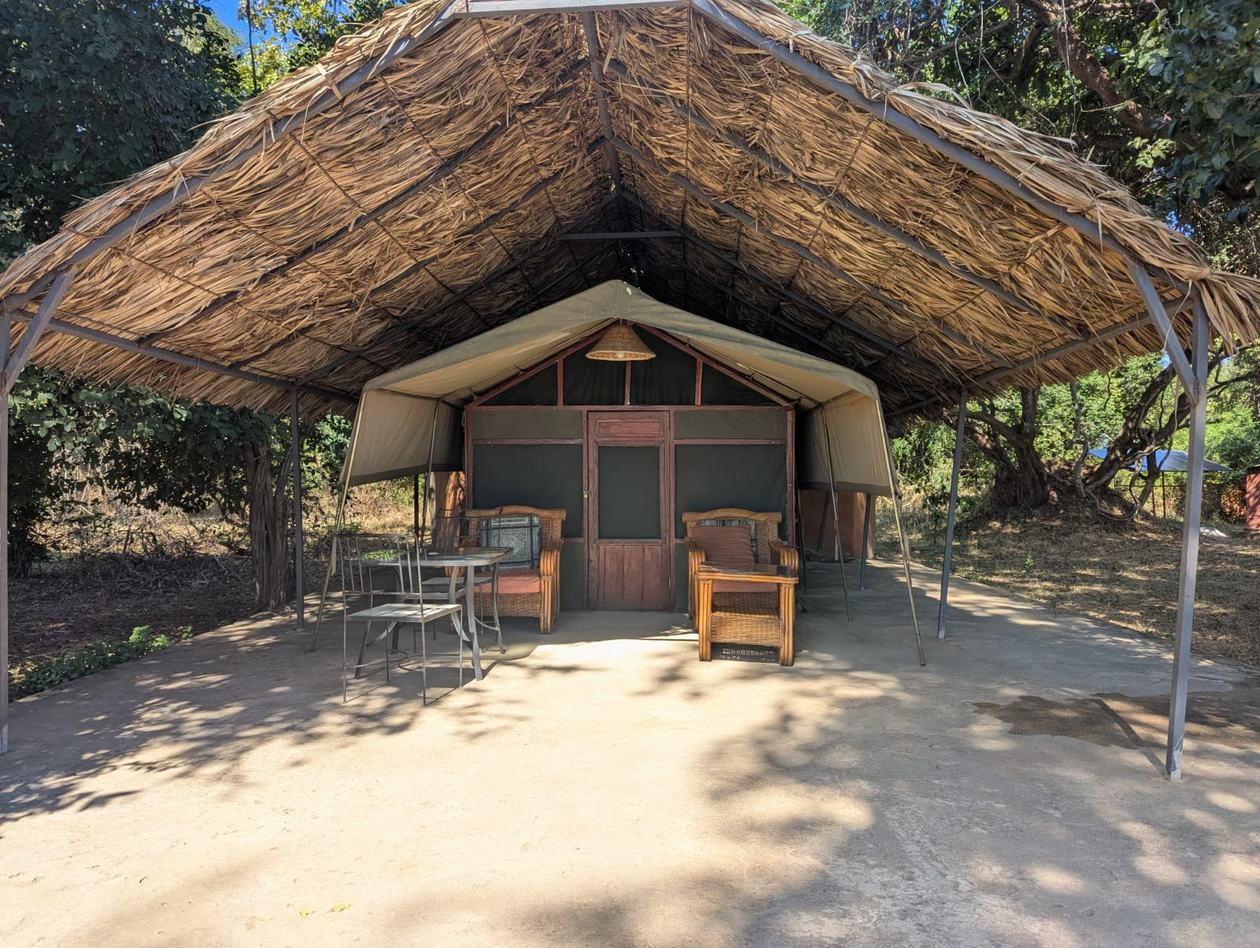
The cheapest way in
Dorm beds, camping and simple chalets on the riverbank a few hundred metres from the bridge. Proof that this park does not have to cost a thousand dollars a night.
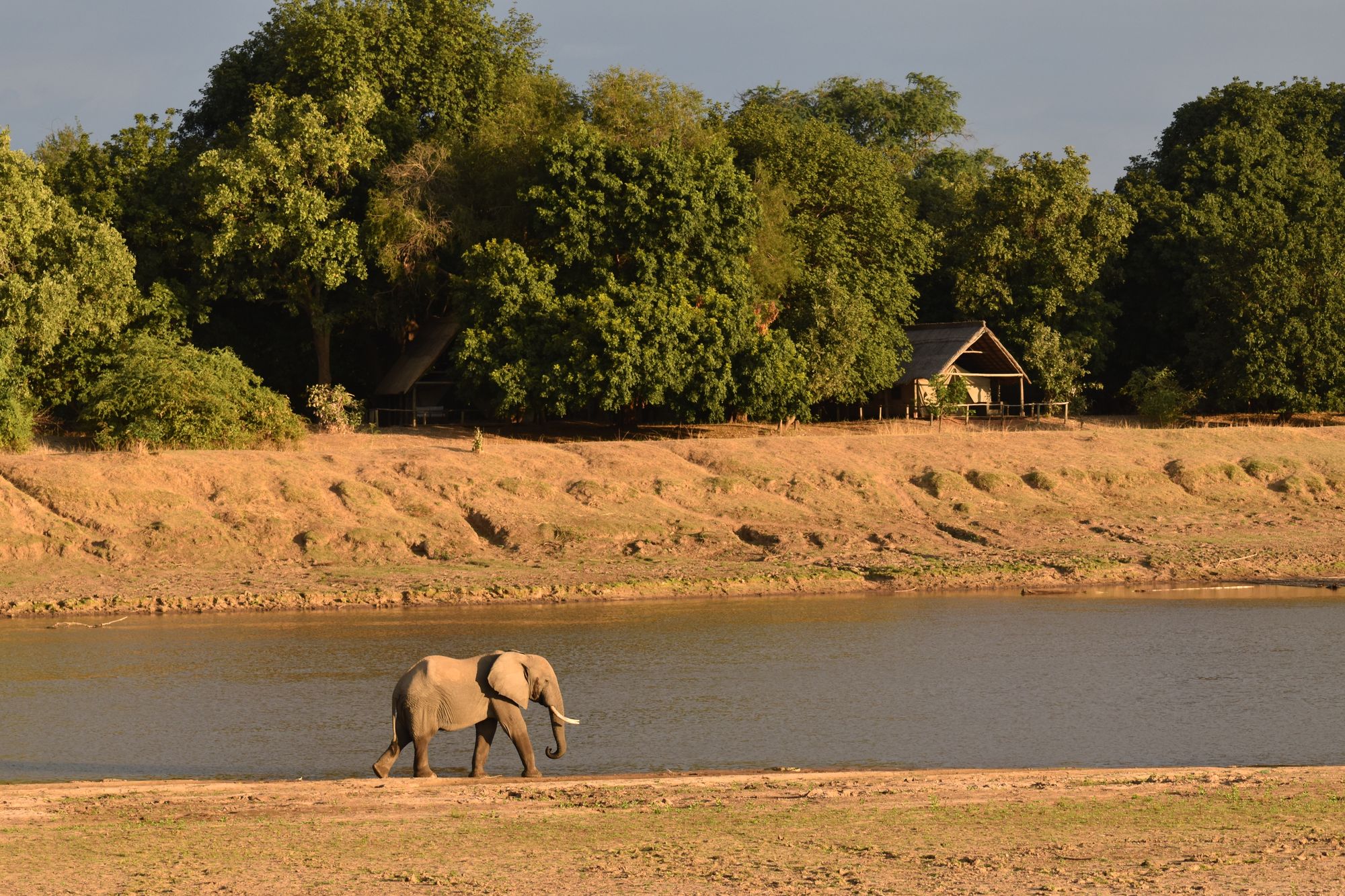
Zambian-owned, prices in kwacha
A locally owned riverside lodge that serves local visitors as much as international ones, and among the most affordable proper lodges on the river.
Mid-range, family-friendly
A real bed without a thousand-dollar price tag, from a $52 room to a treehouse in a jackalberry tree, with elephants wandering through the grounds daily.
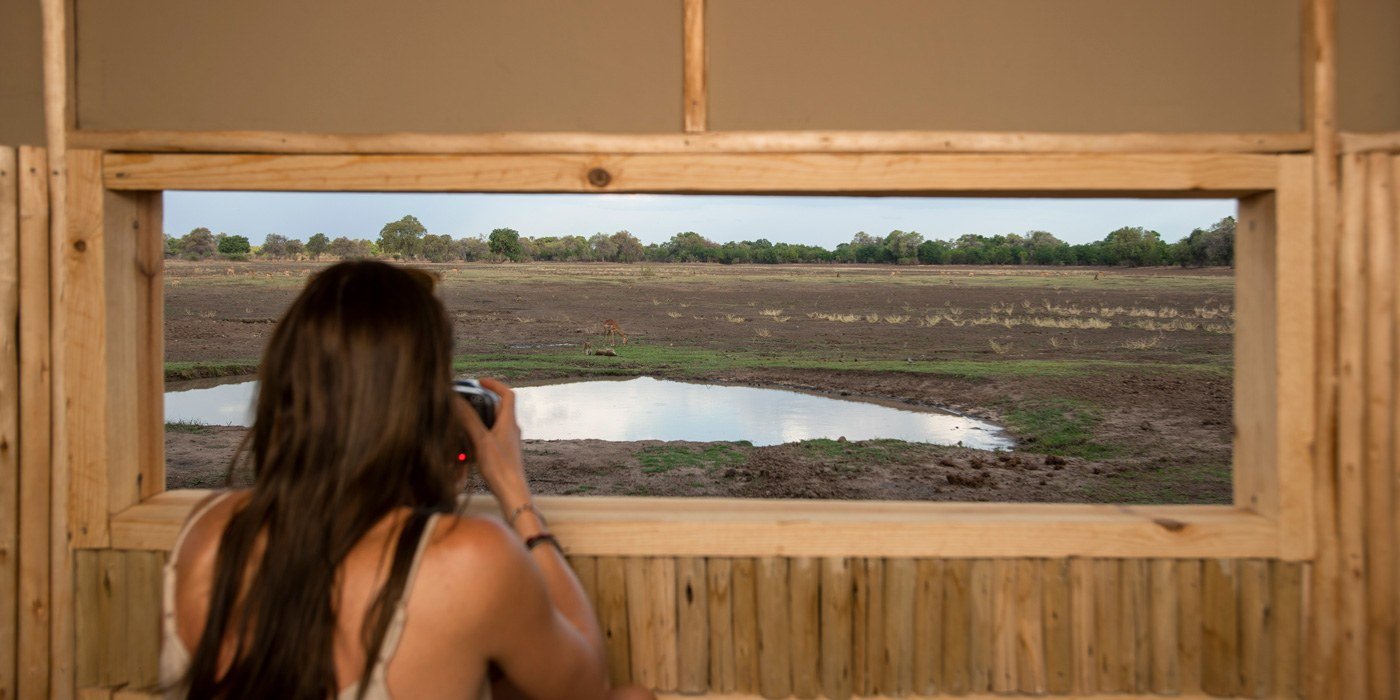
The top end
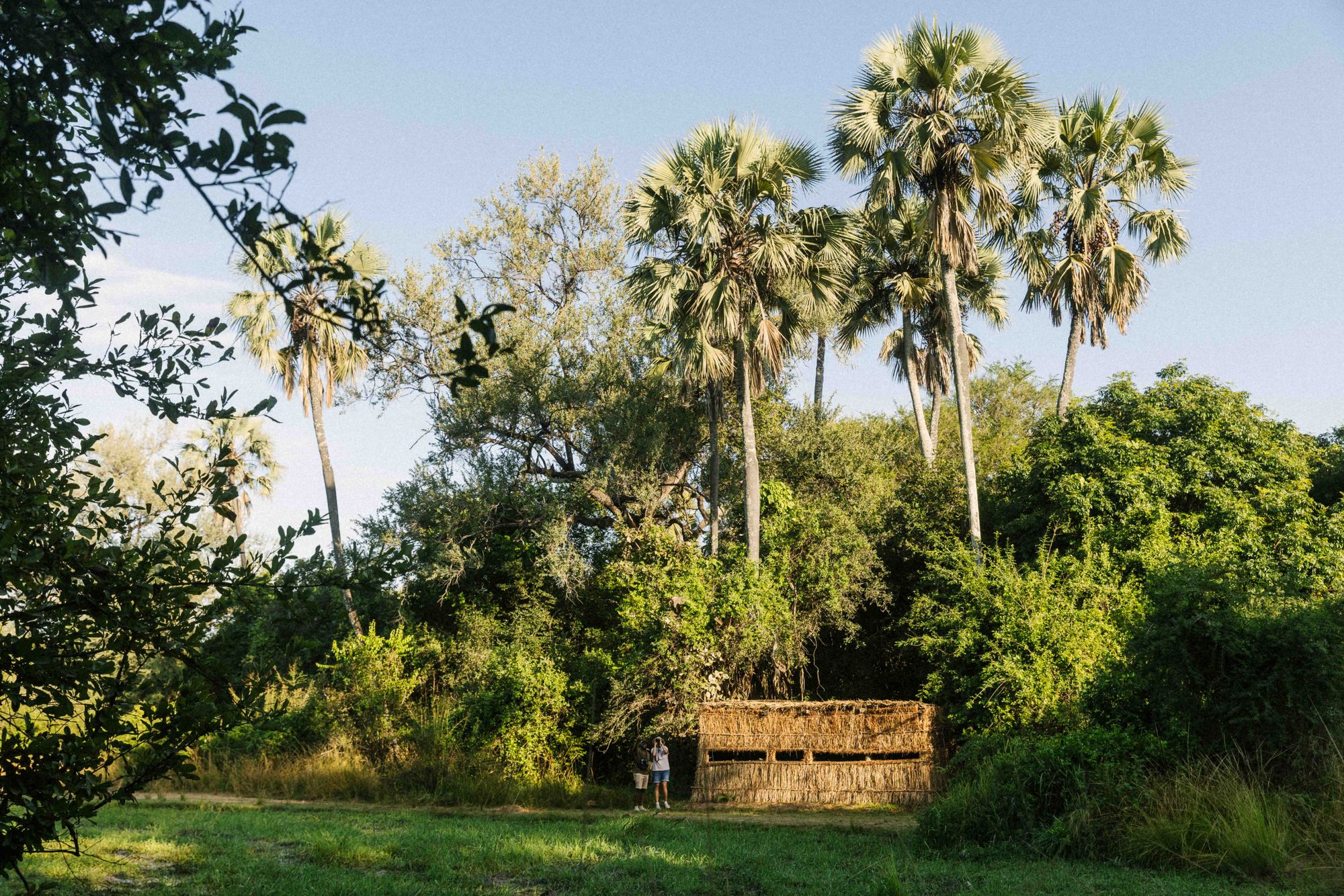
Perched above its own floodplain with a waterhole and a photographic hide below, and at the very top of the Zambian market.
The gate fee is $25, but in-park camps add $75 to $110 a night in levies. Here is the whole picture.
See the fees →All 31 places to stay, from $15 campsites to $1,995 suites, with ownership marked so you can support local.
Browse lodges →An hour and ten from Lusaka by air, or nine hours on tar. The dirt road warning you have read is out of date.
Plan the route →Measured leopard density, 42 hippo per river kilometre, and three subspecies that exist only in this valley.
What you'll see →June to October for walking, September for the peak, January to April for boats and green-season prices.
Pick your month →Walking safaris, legal night drives, green-season boat trips and batik classes five minutes from the gate.
See activities →Our own research
We collect the official tariff of every park we cover, convert it, and hold each one to the same standard day. Twenty-nine parks are in the index now, the famous ones included. These three pages come out of that table.
Ngorongoro charges $278 for a standard day and $148 of that is the descent into the crater. The ranking straight down, with the line item behind each number.
See the ranking →One person, one car, no one to split the vehicle fee or the campsite with. Uganda's foreign-vehicle tariff turns the order upside down.
See the self-drive ranking →The highest nightly rates any camp in our network puts in writing, and why the real top of the market names no price at all.
See the rates →Every change to this guide, dated.